Home Bio Portfolio Journal
Designing Sensory Experiences
Receive, Release and Generate Sensory Information
感性情報の受容
リリースと香り情報の生成に関する感性体験のデザイン
Abstract
在本文中,我主要研究在信息时代的背景下创作艺术作品来探索新的互动形式,从认知科学的角度讨论人机交互关系,并提出通过结合实现新的感官信息的生成。转换和传递感官信息。
探索人机共存的关系是我三年博士研究期间研究的主要关注点。机器智能的时代即将开始,机器将如何更加智能地进入我们的生活以及机器和人类将如何与共同利益共存是一个需要在行业中迅速解决的问题。需要进行多学科和跨学科研究,以探索未来设计师如何设计机器并参与设计以满足更多需求。
第一章介绍了“单一感官输出”的研究背景。第二章提出了主要目标。第三章研究和回顾感官设计,感官和感官体验信息,并介绍从呼吸到嗅觉的三个实验装置的故事情节。第四,第五和第六章从接收,发布和生成的感官信息的角度详细说明了三个实验装置的设计和实验过程,总结了通过结合感觉信息的转换和传输来实现新感觉信息的生成。 在第七章中,作者进一步探索和确认了上述研究,并期待未来的交互设计和人机关系。我们通过感官学习并与世界联系。感觉器官构成促进人机交互的界面。
In this paper, I will mainly explored new form of interaction through creating art works against the background of the information age, discuss human-computer interactive relationships from the perspective of cognitive science, and propose that to realizes the generation of new sensory information by combining conversion and transmission of sensory information.
Exploring the relationships in human-machine co-existence was the main concern of my research during the three years of my doctoral studies. The era of machine intelligence is about to begin, how smarter machines will enter our lives and how machines and human beings will coexist with mutual benefits is a problem demanding a prompt solution in the industry. Multidisciplinary and interdisciplinary studies will be required to explore how future designers will design machines and participate in design to fulfill even more needs.
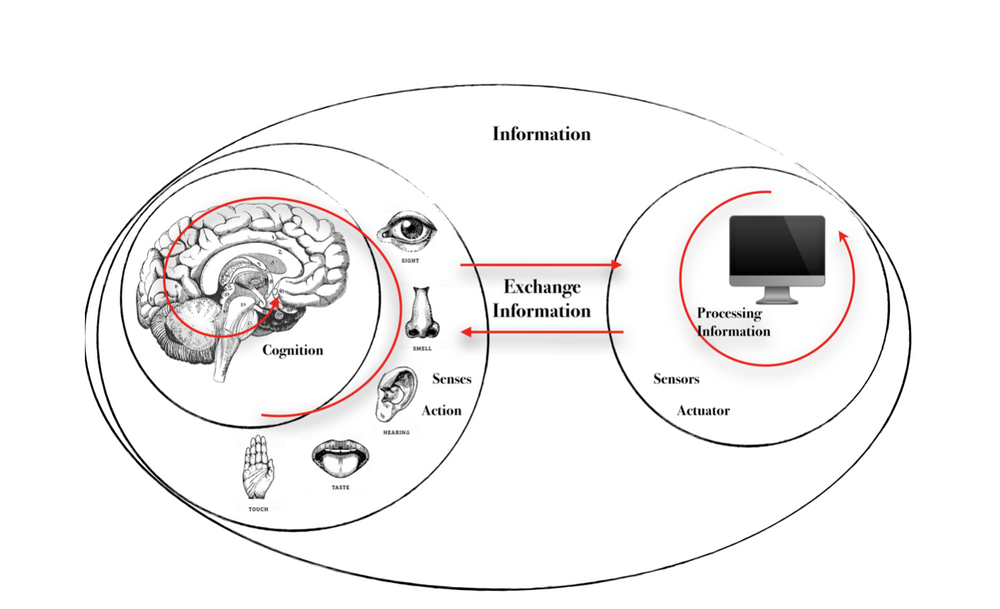
In the first chapter, the research background of “single sensory output” is presented. The second chapter proposes the main goal. The third chapter studies and reviews sensory design, the senses, and sensory experience information, as well as presents the storylines for three experimental installations from breathing to smell. The fourth, fifth, and sixth chapters detail the designs and experimental processes of the three experimental installations from the sensory information that was received, released, and generated and sum up to realizes the generation of new sensory information by combining conversion and transmission of sensory information. In the seventh chapter, the author further explores and confirms the above research to then look forward to interaction designs and the human-machine relationship in the future. We learn and connect with the world through our senses. The sensory organs constitute the interface facilitating human-computer interactions.
在本文中,我主要研究在信息时代的背景下创作艺术作品来探索新的互动形式,从认知科学的角度讨论人机交互关系,并提出通过结合实现新的感官信息的生成。转换和传递感官信息。
探索人机共存的关系是我三年博士研究期间研究的主要关注点。机器智能的时代即将开始,机器将如何更加智能地进入我们的生活以及机器和人类将如何与共同利益共存是一个需要在行业中迅速解决的问题。需要进行多学科和跨学科研究,以探索未来设计师如何设计机器并参与设计以满足更多需求。
第一章介绍了“单一感官输出”的研究背景。第二章提出了主要目标。第三章研究和回顾感官设计,感官和感官体验信息,并介绍从呼吸到嗅觉的三个实验装置的故事情节。第四,第五和第六章从接收,发布和生成的感官信息的角度详细说明了三个实验装置的设计和实验过程,总结了通过结合感觉信息的转换和传输来实现新感觉信息的生成。 在第七章中,作者进一步探索和确认了上述研究,并期待未来的交互设计和人机关系。我们通过感官学习并与世界联系。感觉器官构成促进人机交互的界面。
In this paper, I will mainly explored new form of interaction through creating art works against the background of the information age, discuss human-computer interactive relationships from the perspective of cognitive science, and propose that to realizes the generation of new sensory information by combining conversion and transmission of sensory information.
Exploring the relationships in human-machine co-existence was the main concern of my research during the three years of my doctoral studies. The era of machine intelligence is about to begin, how smarter machines will enter our lives and how machines and human beings will coexist with mutual benefits is a problem demanding a prompt solution in the industry. Multidisciplinary and interdisciplinary studies will be required to explore how future designers will design machines and participate in design to fulfill even more needs.
In the first chapter, the research background of “single sensory output” is presented. The second chapter proposes the main goal. The third chapter studies and reviews sensory design, the senses, and sensory experience information, as well as presents the storylines for three experimental installations from breathing to smell. The fourth, fifth, and sixth chapters detail the designs and experimental processes of the three experimental installations from the sensory information that was received, released, and generated and sum up to realizes the generation of new sensory information by combining conversion and transmission of sensory information. In the seventh chapter, the author further explores and confirms the above research to then look forward to interaction designs and the human-machine relationship in the future. We learn and connect with the world through our senses. The sensory organs constitute the interface facilitating human-computer interactions.